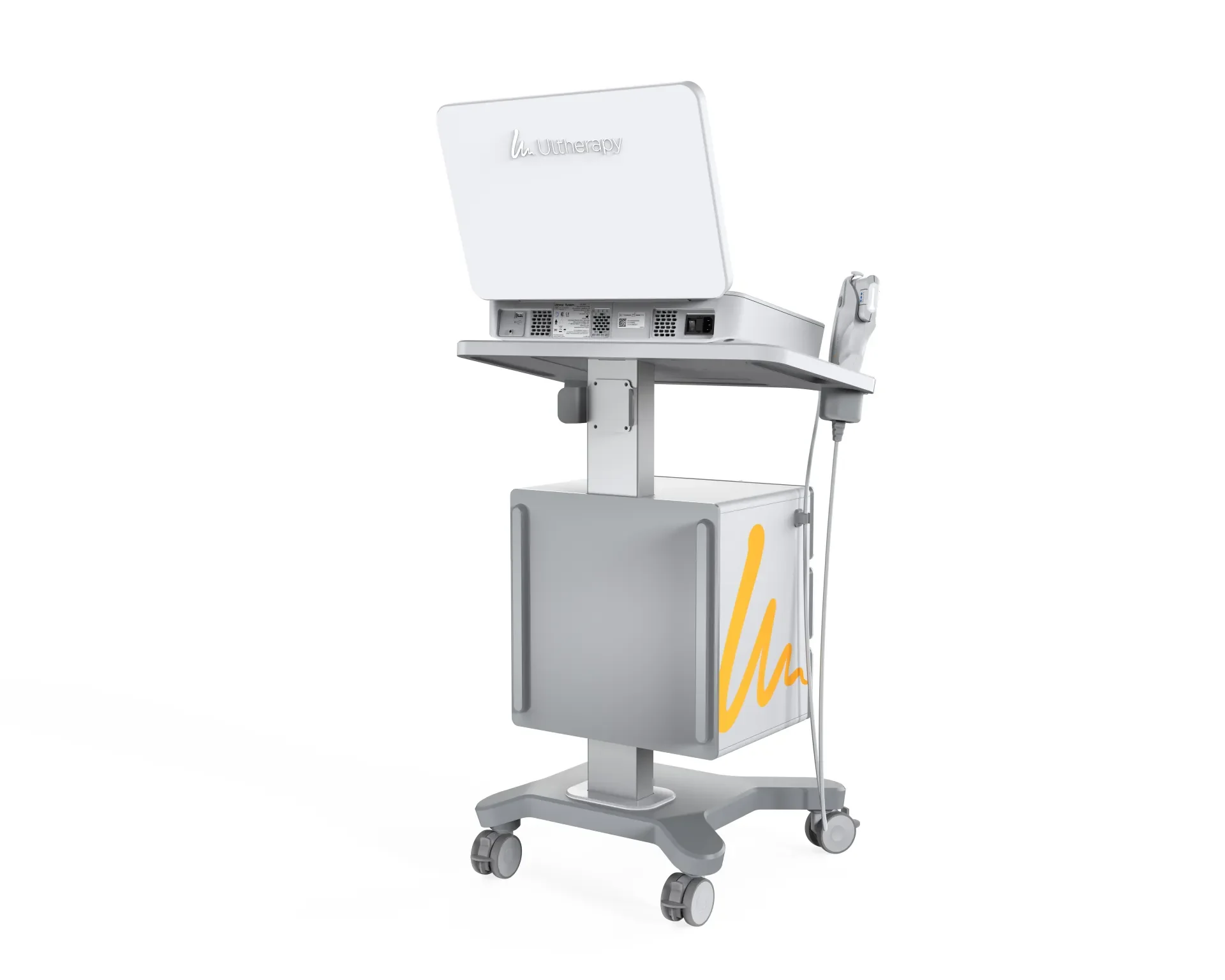
Treatment Guide
Post-procedure aftercare for medical tourists
The 7-to-30-day window that determines whether the trip's outcome matches the expectation.
The single most underrated variable in a medical-tourism trip is what happens after the procedure. International patients tend to invest substantial energy in selecting the right clinic, comparing platforms, and budgeting the trip — and then board the return flight without a clear plan for the 7-to-30-day window that actually determines whether the result matches the expectation. Korean clinical practice for international patients includes a structured aftercare arc that, in the better practices, runs from immediate post-procedure instructions through 14-day coordinator support to 4-week photographic review. The arc covers three distinct phases: the immediate phase (24-72 hours, when most adverse events appear if they are going to appear), the early-healing phase (3-14 days, when normal social activity resumes), and the response-evaluation phase (4 weeks to 6 months, when the actual treatment effect develops). This page covers what to expect at each phase and what international patients should plan for in advance — particularly the flight home, which sits awkwardly across the immediate and early-healing phases for many patients.
Immediate phase — 24 to 72 hours
The immediate post-procedure window is when most adverse events would appear if they are going to appear. For Ultherapy PRIME, Thermage FLX, and Sofwave, the typical immediate phase shows mild erythema, occasional small areas of swelling at high-energy zones, and rare small bruises — all expected, all resolving within 24-48 hours. For regenerative bio-active work delivered via microneedling, the typical pattern is pink-to-red skin with fine pinpoint bleeding at treatment, settling to mild erythema over 24-48 hours; RF-assisted micro-channelling extends the visible window to 5-7 days. For thread lifting, expect visible swelling and bruising for 5-10 days; the immediate phase here is genuinely visible. Across all modalities, the practical aftercare is the same: gentle cleansing with the cleanser the clinic provided, avoidance of vigorous facial movement, sleeping on the back with the head elevated, no exercise that flushes the face, no alcohol for the first 48-72 hours. Most premium clinics provide written aftercare in the patient's working language and a coordinator channel (WhatsApp, LINE, or WeChat) for questions during this window. Use the channel — that is what it exists for.
The flight home — practical considerations
International patients commonly fly home within 24-72 hours of treatment, and the flight intersects awkwardly with the immediate phase. For focused-ultrasound and radiofrequency work (Ultherapy PRIME, Thermage FLX, Sofwave), there is no clinical contraindication to flying within hours of treatment; cabin pressure has no meaningful interaction with these modalities. For regenerative bio-active work, similarly, no flying contraindication; mild surface erythema during the flight is the typical presentation. For thread lifting, flying within 24-48 hours is generally acceptable but visible swelling and bruising during a long-haul flight is uncomfortable; many patients elect to add a buffer day. For combination programmes that include any procedure with sedation, follow the treating clinic's specific guidance — same-day flying is generally not recommended after sedation. Practical preparations: bring extra of the topical SPF and any cleanser the clinic provided; hydrate generously during flights; sleep with elevation if possible; carry contact details of the treating clinic in case of in-flight or arrival concerns. The visa and travel logistics page covers airport transport timing for return flights.
Early-healing phase — 3 to 14 days
The early-healing phase is when normal social activity resumes for most modalities and when patients return to ordinary work and relationships. By day 3, most focused-ultrasound and radiofrequency patients are unremarkable to the casual observer; by day 5-7, most regenerative-work patients similarly. Thread-lift patients typically show resolving swelling and bruising at 7-10 days, with sometimes mild residual asymmetry that settles over the following week. Across modalities, the practical aftercare during this phase is broadly the same: continued topical SPF 50+ daily, no sauna or hot yoga (returns at day 5-7 for most modalities), no vigorous facial massage (returns at 7-10 days for focused-ultrasound and radiofrequency, longer for thread lifting), no aggressive skincare actives (retinoids, AHAs, BHAs) for 7-14 days. Most patients can resume normal exercise by day 5-7, normal alcohol by day 5 (later for thread lifting). The clinic's coordinator channel typically remains open through this phase; questions are appropriate. International patients managing aftercare from their home country should photo-document daily for the first 7 days and forward concerns to the coordinator channel rather than seeking local opinion that may not understand Korean clinical context.
Response-evaluation phase — 4 weeks to 6 months
The actual clinical response — the lifting, tightening, or skin-quality improvement the patient came for — develops gradually over 4 weeks to 6 months across most non-surgical modalities. Focused-ultrasound and radiofrequency results peak at 3-6 months as collagen remodelling matures; regenerative bio-active results similarly develop over 8-12 weeks; thread-lift mechanical results are immediate but the collagen-stimulation contribution develops over the polymer's degradation window. The 4-week post-procedure photographic review with the treating clinic is, in our editorial reading, the single most important quality marker of a serious aftercare programme. The 4-week review should compare 3D facial imaging (or standardised photographic baseline) against the pre-procedure scan, document the early response, identify any unusual healing patterns, and inform any maintenance scheduling. For international patients unable to return to Korea at 4 weeks, the better clinics arrange remote review via video consultation with patient-submitted photographic documentation. Patients who reach 6 months without a remote or in-person review should consider it a quality indicator about the clinic's aftercare structure.
When to escalate — recognising real complications
The vast majority of aftercare concerns are normal-healing variation rather than complications. But genuine complications do occur, and the international patient should know what crosses the threshold from 'expected' to 'requires medical attention'. For all non-surgical modalities, the threshold concerns are: rapidly progressive swelling or pain beyond 48-72 hours; fever above 38°C without other explanation; pus, prolonged tenderness, or visible infection at any treatment site; vision changes or asymmetric numbness (very rare but reportable); skin discolouration that does not match the typical post-procedure pattern. Any of these warrants immediate escalation to the treating clinic's coordinator channel and, if the patient is in Korea, in-person review the same day. Patients in their home country should escalate to the treating clinic in parallel with seeking local emergency or urgent-care medical attention; do not delay local care while waiting for Korean clinic response on a serious concern. The Korean Society of Dermatology maintains specialty guidance on adverse-event recognition; the medical disclaimer page covers our editorial position on emergency situations.
Frequently asked questions
Can I fly home the day after treatment?
For most non-surgical modalities (Ultherapy PRIME, Thermage FLX, Sofwave, regenerative bio-actives), yes, with no clinical contraindication. For thread lifting, flying within 24-48 hours is generally acceptable but visible swelling during long-haul flights is uncomfortable; consider a buffer day. For any procedure involving sedation, follow the treating clinic's specific guidance.
What aftercare products should I bring back home?
Topical SPF 50+ for daily use during the response-evaluation phase; the cleanser the clinic provided (typically a gentle non-stripping cleanser); any prescribed topical (occasionally a recovery serum or growth-factor formulation); and standard skincare you can verify is compatible with the clinic's aftercare guidance. Avoid introducing new actives during the first 14 days post-treatment.
How do I do a 4-week review remotely?
Most premium Korean clinics offer remote 4-week review via video consultation with patient-submitted photographic documentation. The patient submits standardised photographs (front, left 45°, right 45°, neck) under consistent lighting; the clinic compares against the pre-procedure 3D scan or photographic baseline; the consultation runs 15-25 minutes via WhatsApp, LINE, WeChat, or Zoom. Schedule at booking, not after the trip.
What if I notice something concerning after I return home?
Photo-document the concern, contact the treating clinic's coordinator channel (typically WhatsApp, LINE, or WeChat) the same day with photographs and timing detail, and follow the clinic's response. If the concern crosses serious thresholds (fever, pus, vision changes, asymmetric numbness), seek local emergency or urgent-care attention in parallel; do not delay local care.
How long until I see the actual result of the treatment?
Focused-ultrasound and radiofrequency results peak at 3-6 months. Regenerative bio-active results develop over 8-12 weeks with peak around 3 months. Thread-lift mechanical results are immediate; the collagen contribution develops over the polymer's degradation window (4-24 months depending on polymer). Patient-photographed comparison against pre-procedure baseline is the most reliable evaluation method.
When can I resume normal exercise, alcohol, and skincare?
Most patients resume normal exercise at day 5-7 post-treatment, normal alcohol at day 5 (later for thread lifting), normal skincare actives at day 14. Sauna and hot yoga return at day 5-7 for focused-ultrasound and radiofrequency, longer for thread lifting. Specific guidance varies by modality and by the clinic's protocol; always follow the treating clinic's written aftercare instructions over generic guidance.